Solar Panel Costs and Savings in Pennsylvania (2026 Guide)
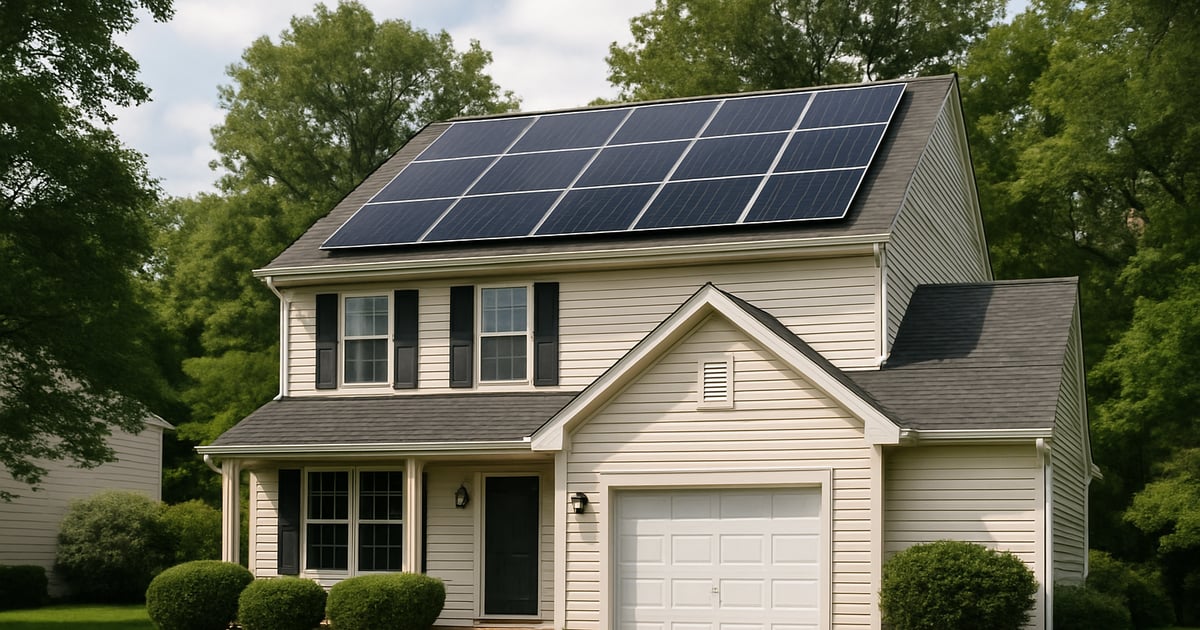
Pennsylvania is a steady, unspectacular solar state: no headline incentives, but legally mandated full retail net metering on 21.5¢ electricity — a better foundation than most states can offer in 2026.
Pennsylvania solar at a glance (July 2026)
| Metric | Figure |
|---|---|
| Avg. residential electricity rate | 21.47¢/kWh (EIA, April 2026) |
| Avg. peak sun hours | ~4.2 per day (NREL-based estimate) |
| Typical installed cost | ~$2.40–$3.35 per watt before incentives (2026 national range) |
| Export compensation | Full retail net metering, required by state law (AEPS Act) |
| Federal tax credit | None for purchases after Dec 31, 2025 (details) |
| Headline incentive | SRECs at market prices — spot ~$22.50 (March 2026), recent range ~$25–$40 |
Net metering with legal backing
Pennsylvania’s Alternative Energy Portfolio Standards (AEPS) Act requires investor-owned utilities to offer full retail net metering for residential systems up to 50 kW. Excess generation earns a one-to-one credit against consumption, with annual true-up of any surplus. Because the requirement is statutory rather than a utility program choice, it’s more settled than the actively-contested policies in states like Maryland (where a 2027 sunset is now scheduled) — though legislation can always revisit it. Concepts in our net metering guide.
At 21.47¢/kWh — fifth-highest among our guides — that full-retail credit does most of the work in Pennsylvania’s payback math.
SRECs: real income, floating price
Pennsylvania runs a market-traded SREC program: your system earns one certificate per MWh generated, which you sell through an aggregator or broker. Recent pricing:
- Spot price ~$22.50 as of March 2026
- Recent trading range roughly $25–$40
A typical 8–10 MWh/year home system earns $180–$350 annually at those prices. Two cautions: prices float with supply and demand (Ohio’s SRECs collapsed to ~$3, a cautionary example), and aggregators take a cut. Model your payback with SRECs as upside, not as load-bearing income — and see what are SRECs for the mechanics.
No credits, so the quote is the game
With no state tax credit and the federal credit expired, your installed price per watt determines your outcome more than any program. Pennsylvania’s installer market is competitive across the Philadelphia and Pittsburgh metros; get three quotes minimum in per-watt terms (installer checklist), then run your usage through the calculator.
Winter production
~4.2 sun hours with a real winter: December output will be a fraction of June’s, and annual estimates already account for it. Details in the winter guide.
Bottom line
Pennsylvania offers no free money — just a legally required one-to-one credit on above-average-priced electricity, with SREC income as a floating bonus. That makes the financial case simple and durable: buy at a good per-watt price, offset 21.5¢ power for 25 years, and treat everything else as upside.
Sources
Frequently Asked Questions
- Does Pennsylvania have net metering by law?
- Yes. The Alternative Energy Portfolio Standards Act requires Pennsylvania's investor-owned utilities to offer net metering at full retail credit for residential systems up to 50 kW. With electricity averaging about 21.5¢/kWh (April 2026), that one-to-one credit is the backbone of solar payback here.
- What are Pennsylvania SRECs worth in 2026?
- Pennsylvania SRECs have recently traded in the $22–$40 range, with the spot price around $22.50 as of March 2026. A typical home system generating 8–10 MWh a year earns one SREC per MWh — roughly $180–$350 a year at current prices. Unlike New Jersey's fixed-price program, PA SREC prices float with the market, so treat them as a bonus, not a guarantee.
- Does Pennsylvania have a state solar tax credit?
- No, and the federal residential credit ended December 31, 2025. Pennsylvania's financial case rests on full retail net metering at above-average electricity rates, plus modest floating SREC income.