Solar Panel Costs and Savings in North Carolina (2026 Guide)
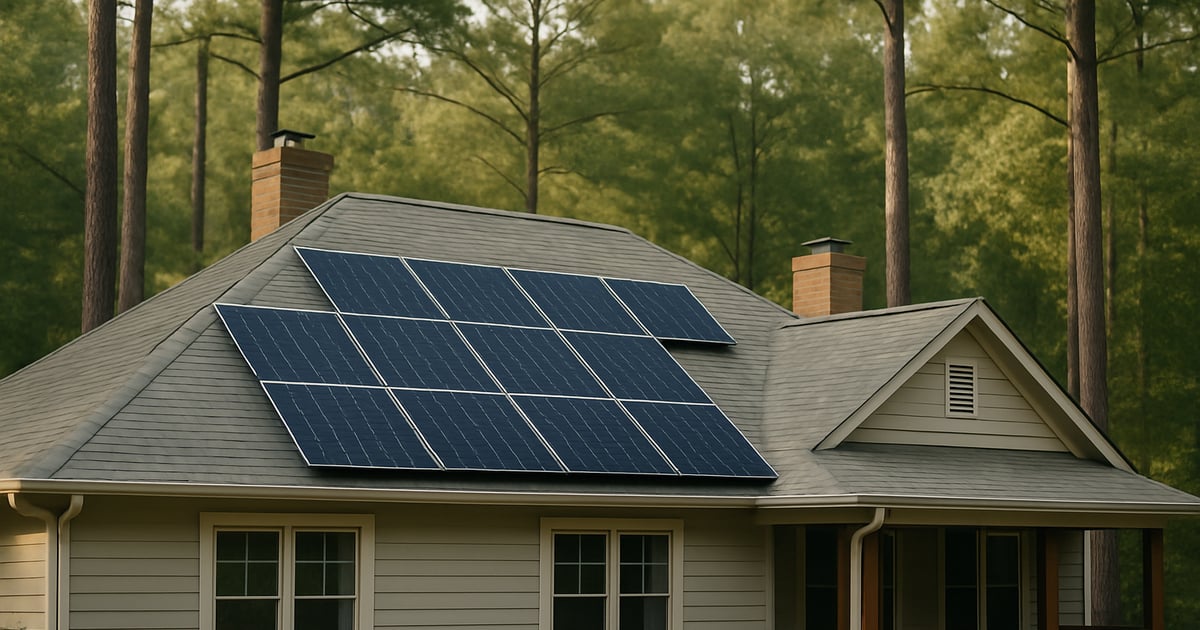
North Carolina solar in 2026 is a deadline story: Duke Energy’s more favorable net metering option closes to new applicants on December 31, 2026, and its battery rebate is running out of capacity.
North Carolina solar at a glance (July 2026)
| Metric | Figure |
|---|---|
| Avg. residential electricity rate | 16.25¢/kWh (EIA, April 2026) |
| Avg. peak sun hours | ~4.7 per day (NREL-based estimate) |
| Typical installed cost | ~$2.40–$3.35 per watt before incentives (2026 national range) |
| Export compensation | Duke Bridge Rate (modified net metering) — closes to new applicants Dec 31, 2026 — or time-of-use rate |
| Federal tax credit | None for purchases after Dec 31, 2025 (details) |
| Headline incentive | PowerPair: up to ~$9,000 for solar + battery (limited capacity remaining) |
The December 31, 2026 Bridge Rate deadline
Duke Energy serves the large majority of North Carolina households, so its rules effectively are the state’s solar policy. New solar customers currently choose between:
- The Net Metering Bridge Rate — a modified net metering credit, generally the more favorable option and the closest thing to traditional net metering still available here
- A time-of-use (TOU) rate — where export value depends on when you produce and consume
The Bridge Rate permanently closes to new applicants on December 31, 2026. Customers who interconnect under it keep it; everyone after is on the TOU structure. Interconnection queues take weeks to months, so a homeowner who wants the Bridge Rate realistically needs a signed contract well before year-end — this is the single most time-sensitive fact in this guide. (Customers of electric co-ops or municipal utilities have separate policies — confirm yours.) Concepts explained in our net metering guide.
PowerPair: up to ~$9,000, while capacity lasts
PowerPair is Duke’s incentive for new solar-plus-battery installations, worth up to about $9,000 per home. It’s first-come, first-served, and it’s filling up: Duke Energy Progress territory has exhausted its capacity, and as of February 2026 only limited capacity (around 7 MW) remained in Duke Energy Carolinas territory. Participants enroll in the Residential Solar Choice rider for 24 months, and optional battery-control enrollment adds monthly bill credits.
If you’re in DEC territory and were considering a battery anyway, PowerPair is one of the largest utility solar incentives in the country right now — but treat any installer’s promise of it as conditional until your application is accepted.
What North Carolina no longer has
No state income tax credit (it expired years ago), and no federal residential credit since January 2026. What remains besides Duke’s programs: North Carolina abates 80% of a residential solar system’s appraised value from property tax. Electricity at 16.25¢/kWh — right at the national average — and ~4.7 sun hours put the underlying economics in the middle of the pack; run yours with the calculator.
A mature market on the installer side
North Carolina has consistently ranked among the top states for total installed solar capacity, driven heavily by utility-scale projects. For homeowners the practical benefit is a competitive, experienced installer market — use it to get multiple quotes, per our installer guide.
Bottom line
The underlying economics of North Carolina solar are average; the 2026 opportunities are not. The Bridge Rate deadline (December 31, 2026) and PowerPair’s dwindling capacity both reward acting this year over waiting — and both disappear regardless of what happens to panel prices. If you’ve been on the fence, the deadlines are the decision.
Sources
Frequently Asked Questions
- What is Duke Energy's Bridge Rate and why does the 2026 deadline matter?
- The Net Metering Bridge Rate is Duke Energy's modified net metering option for North Carolina solar customers — generally the more favorable of the two current choices. It permanently closes to new applicants on December 31, 2026. Homeowners who interconnect before the deadline keep it; after that, new customers are left with the time-of-use rate structure.
- What is the PowerPair rebate?
- PowerPair is Duke Energy's incentive for pairing rooftop solar with battery storage, worth up to about $9,000 per home. It's awarded first-come, first-served: capacity has already filled in Duke Energy Progress territory, and as of early 2026 only limited capacity remained in Duke Energy Carolinas territory. Participants must enroll in the Residential Solar Choice rider for 24 months.
- Does North Carolina have a state solar tax credit?
- No — North Carolina's state solar credit expired years ago, and the federal residential credit ended December 31, 2025. In 2026 the incentive picture is Duke Energy's programs (the Bridge Rate and PowerPair, both time-limited) plus North Carolina's 80% property tax abatement on the system's appraised value.