What Are SRECs and How Do They Work?
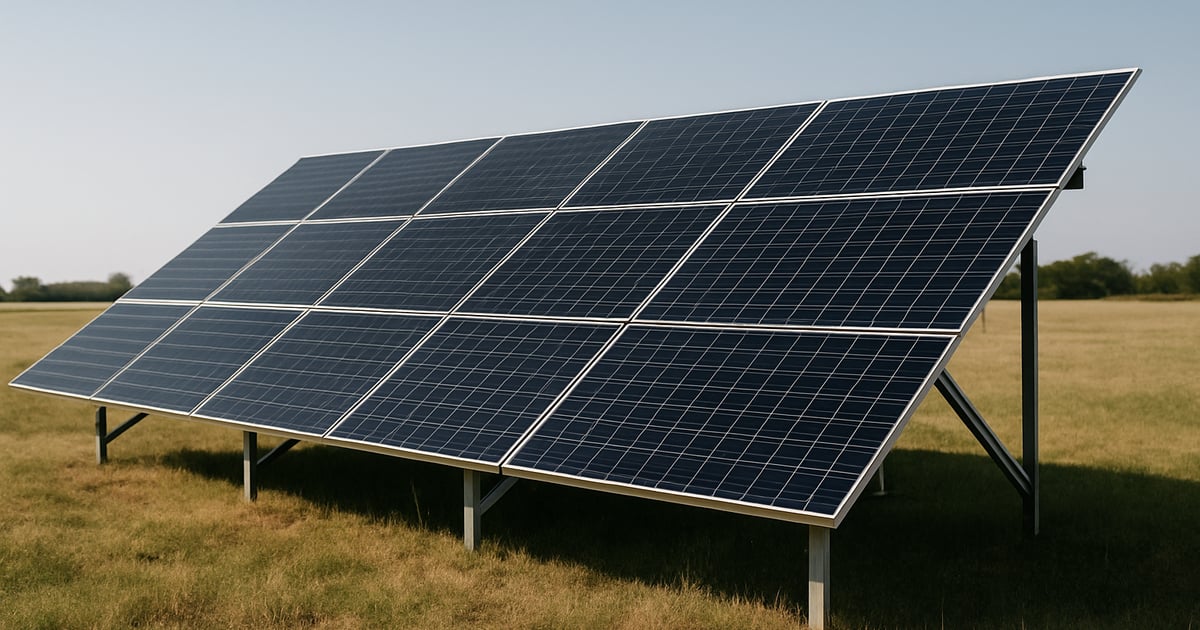
In states with SREC markets, your solar system doesn’t just save you money on your electric bill — it can generate ongoing income. Here’s how that works.
What an SREC actually is
A Solar Renewable Energy Certificate (SREC) represents the environmental attributes of one megawatt-hour (1,000 kWh) of electricity generated by a solar system. In states with an SREC market, your system earns one certificate for each megawatt-hour it produces — separate from the electricity itself, which either offsets your usage or gets compensated through net metering.
Why SREC markets exist
Many states have a Renewable Portfolio Standard (RPS) requiring utilities to source a certain percentage of their electricity from renewable sources, often with a specific solar carve-out. Utilities that don’t generate enough solar themselves can buy SRECs from homeowners and businesses with solar systems to meet that requirement — creating a market where your certificates have real value.
How the process typically works
- Register your system with your state’s SREC tracking program, usually through your installer or a solar registration platform.
- Your system’s production is verified, typically through your existing production monitoring equipment.
- SRECs are issued based on verified megawatt-hours produced.
- You sell your SRECs, usually through an aggregator or broker who bundles many homeowners’ certificates together to sell into the market, since individual sales are impractical for most homeowners.
- You receive payment, on a schedule that depends on your aggregator — some pay upfront for a multi-year stream of expected SRECs, others pay periodically as certificates are actually generated and sold.
Why SREC prices vary so much
Unlike a fixed rebate or tax credit, SREC prices are determined by supply and demand within each state’s market and can swing significantly based on:
- How much solar capacity has been installed in the state (more installed capacity generally means more supply)
- The specific RPS requirements and solar carve-out size set by state legislation
- Compliance penalties utilities face if they don’t meet their solar requirement, which sets a rough ceiling on SREC value
This means SREC income is genuinely less predictable than a fixed incentive like a rebate, and worth researching specifically for your state’s current market rather than assuming a number from another state applies to you.
How SRECs fit into your overall solar savings
SREC income is separate from — and in addition to — your electricity bill savings from net metering, and with the federal tax credit gone since the end of 2025, SRECs are now one of the few ongoing incentives left. When estimating your total return, treat SREC income as a bonus revenue stream on top of your calculated payback period from our calculator, which focuses on electricity savings, since SREC availability and pricing is so state- and market-specific.
Questions to ask before counting on SREC income
- Does my state currently have an active SREC market, and is it accepting new registrations?
- What has the SREC price trended toward recently in my state’s market, and how volatile has it been?
- Does my installer or a specific aggregator handle registration and sales, and what fee do they take?
- Is there a cap on how many years of SREC income is realistically available, or could the program’s terms change?
Bottom line
SRECs can meaningfully improve your solar economics in states with an active market, functioning as ongoing income rather than a one-time discount. But because pricing and program rules are genuinely state-specific and can shift, confirm current details with your installer or your state’s energy office rather than assuming figures you’ve seen elsewhere apply to you.
Frequently Asked Questions
- Do all states have SREC markets?
- No. SREC markets exist only in a subset of states that have adopted a Renewable Portfolio Standard with a solar-specific carve-out and a compliance market for utilities to meet it. Many states have no SREC market at all, relying instead on net metering and other incentives.
- How much is one SREC worth?
- SREC prices vary significantly by state and fluctuate over time based on supply and demand within that state's market — some states have historically seen prices from under $10 to several hundred dollars per certificate. Check current pricing for your specific state's market rather than relying on a national figure.
- Do I need to do anything to earn SRECs, or does it happen automatically?
- You typically need to register your system with your state's tracking program and often work with an aggregator or broker to sell your SRECs, since individual homeowners usually don't sell directly into the market themselves. Your installer can often help set this up, or point you to a service that specializes in it.