What Really Affects Your Solar Panel Price
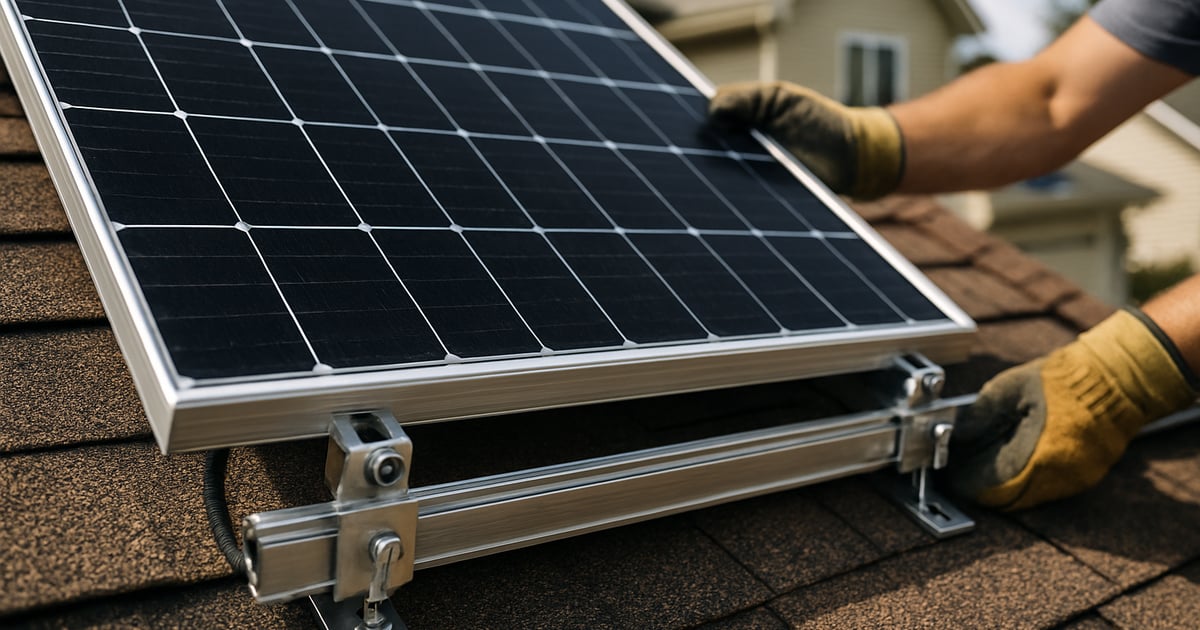
Two homes with identical system sizes can get quotes thousands of dollars apart. Understanding what drives that difference helps you evaluate a quote instead of just reacting to the total.
Roof characteristics
- Orientation and tilt. South-facing roofs at a moderate pitch generally produce the most energy per panel, which can mean fewer panels are needed to hit your target output.
- Shading. Trees, chimneys, or neighboring structures that shade part of the roof during the day reduce production and may require additional equipment (like microinverters or power optimizers) to manage shading losses — see our comparison of string inverters vs microinverters.
- Roof complexity. Multiple roof planes, dormers, or obstructions increase installation labor time.
- Roof age and material. Some installers charge more — or decline the job — if your roof will likely need replacement within the system’s warranty period, since removing and reinstalling panels for a re-roof adds cost later.
Equipment choices
- Panel tier. Premium, high-efficiency panels cost more per watt but may fit more capacity on a limited roof.
- Inverter type. Microinverters and power optimizers cost more than a single string inverter but can improve performance on partially shaded roofs and simplify future monitoring.
- Battery storage. Adding a battery is one of the largest optional cost additions — see our guide on solar plus battery vs solar only.
- Monitoring systems. Most installers include basic production monitoring; more detailed panel-level monitoring can add a small cost.
Soft costs (the less visible part of your quote)
Roughly a third to half of a typical solar quote isn’t hardware at all — it’s what the industry calls “soft costs”:
- Permitting and inspection fees, which vary by city
- Interconnection application fees charged by your utility
- Design and engineering time
- Sales and customer acquisition costs
- Installer overhead and margin
This is part of why installer choice affects price as much as equipment choice — see our guide on how to choose a solar installer.
Location-driven factors
- Local labor market. Areas with a competitive, established solar installer base sometimes see lower labor costs than areas where solar is newer.
- State permitting complexity. Some states and municipalities have streamlined solar permitting; others require more inspections and paperwork, adding time and cost.
- State-level incentives. With the federal residential credit ended since 2025, state rebates, tax credits, and SREC programs are what reduce your effective cost now — see our state incentives overview and state guides.
Financing structure
Whether you pay cash, take a solar loan, or use a lease/PPA changes your total cost of ownership even for an identical system, because loans and leases include financing costs over time. See our comparison of cash vs loan vs lease vs PPA for the tradeoffs.
How to use this when comparing quotes
- Ask each installer to break down hardware, labor, permitting, and financing costs separately rather than giving you one lump total.
- Confirm the panel and inverter brand/model on each quote so you’re comparing similar equipment tiers.
- Ask directly why one quote is higher — a good installer can explain it in terms of the factors above, not just “that’s our price.”
Understanding these factors turns a confusing number into something you can actually evaluate — and negotiate, where there’s room to.
Frequently Asked Questions
- Does roof shape really change the price that much?
- It can. A simple, single-plane roof is faster and cheaper to install on than a roof with multiple angles, dormers, or obstructions, since more time is spent on racking, flashing, and working around complexity. The difference is usually in labor hours rather than equipment cost.
- Do premium solar panels actually perform better, or just cost more?
- Premium panels typically have somewhat higher efficiency (more power per square foot) and longer or more comprehensive warranties, which can matter if your roof space is limited. For a roof with plenty of unshaded space, standard-tier panels often deliver a better cost-per-watt value.
- Why do two quotes for the same system size come out so different?
- Differences usually come from equipment tier, installer overhead and margin, financing costs baked into the price, and how much of the soft costs (permitting, design, sales) are included. This is exactly why comparing multiple quotes matters more than comparing a single number to a national average.