Solar Panel Cost by System Size: 4kW to 12kW Compared
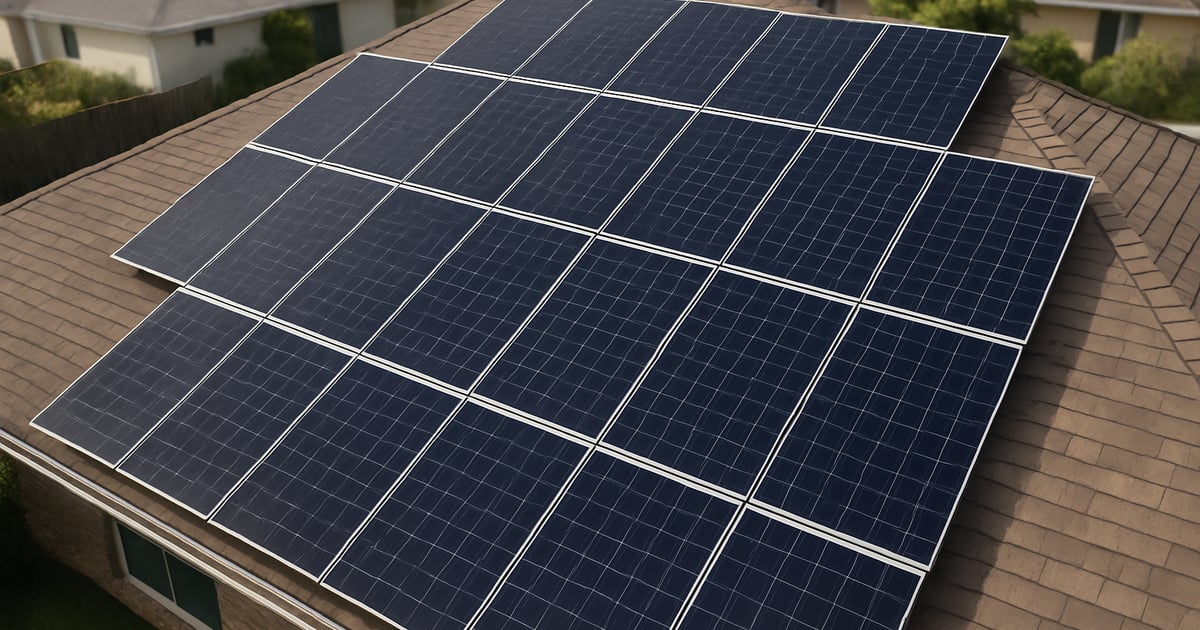
“How much does solar cost” depends enormously on how big a system you actually need. Here’s what different system sizes typically cost, and how to think about sizing for your own home.
Reference cost by system size
Using the 2026 national reference range of roughly $2.40–$3.35 per watt before incentives (national average ~$2.58/W):
| System size | Approx. panels (400W each) | Installed cost (before incentives) |
|---|---|---|
| 4 kW | 10 | $9,600–$13,400 |
| 6 kW | 15 | $14,400–$20,100 |
| 8 kW | 20 | $19,200–$26,800 |
| 10 kW | 25 | $24,000–$33,500 |
| 12 kW | 30 | $28,800–$40,200 |
Note there’s no federal tax credit column anymore: the residential credit ended December 31, 2025. State rebates and credits may still reduce your net cost — see the state incentives overview.
These are illustrative reference ranges, not quotes — get our calculator’s estimate using your own bill and state, then confirm with a licensed installer.
Why system size varies so much between homes
- Your electricity usage. A household running electric heat, a pool pump, or an EV charger uses meaningfully more electricity than one that doesn’t — see our sizing guide for the math.
- How much of your usage you want to offset. Some homeowners size for 100% offset; others size smaller intentionally, either for budget reasons or because their roof space is limited.
- Your state’s sun hours. A system in a high-sun state like Arizona or Nevada produces more energy per kW installed than the same size system in a lower-sun state like New York, so achieving the same offset can require a larger system in lower-sun regions. See our state guides for reference sun-hour data.
- Available roof space. A smaller or heavily shaded roof may physically limit how large a system you can install, regardless of what your usage would otherwise call for.
Does a bigger system make sense financially?
Generally, sizing to offset close to 100% of your annual usage delivers the strongest value, because every kWh the system produces replaces electricity you’d otherwise buy at your full retail rate. Sizing beyond that — so the system produces significantly more than you use — runs into diminishing returns in many states, since excess production sent back to the grid is often credited at a lower rate than your usage rate under many net metering policies. See our net metering explainer for how this works in practice.
How to estimate the right size for your home
- Pull your last 12 months of electric bills to see your actual annual usage in kWh (or use your average monthly bill amount).
- Check your state’s average sun hours in our state guides.
- Run the numbers through our calculator, which estimates system size based on your bill and state automatically.
- Get a site assessment from a licensed installer, who can confirm actual usable roof space and shading — the calculator estimate is a starting point, not a substitute for that assessment.
The bottom line
There’s no single “right” system size — it’s a function of your usage, your roof, and your state’s sun exposure and net metering rules. Reference tables like the one above are useful for orientation, but your actual number will come from your own bill and a real site visit.
Frequently Asked Questions
- What size solar system does an average home need?
- As a rough national reference, many homes land somewhere between 5 kW and 8 kW, but this varies enormously based on your actual electricity usage, roof space, and how much of your usage you want to offset. Our calculator estimates a size specific to your bill and state rather than a generic average.
- Is a bigger system always a better financial decision?
- Not necessarily. A system sized well beyond your usage produces excess power that, depending on your state net metering rules, may be compensated at a lower rate than your usage rate — meaning the extra capacity delivers less value per watt than the portion that offsets your own consumption.
- Does system size affect the price per watt?
- Often slightly, yes. Larger systems can have a modestly lower price per watt since fixed costs like permitting and design are spread over more capacity, though the effect is usually small compared to the impact of equipment tier and installer choice.