DIY Solar vs Professional Installation: Is It Worth the Risk?
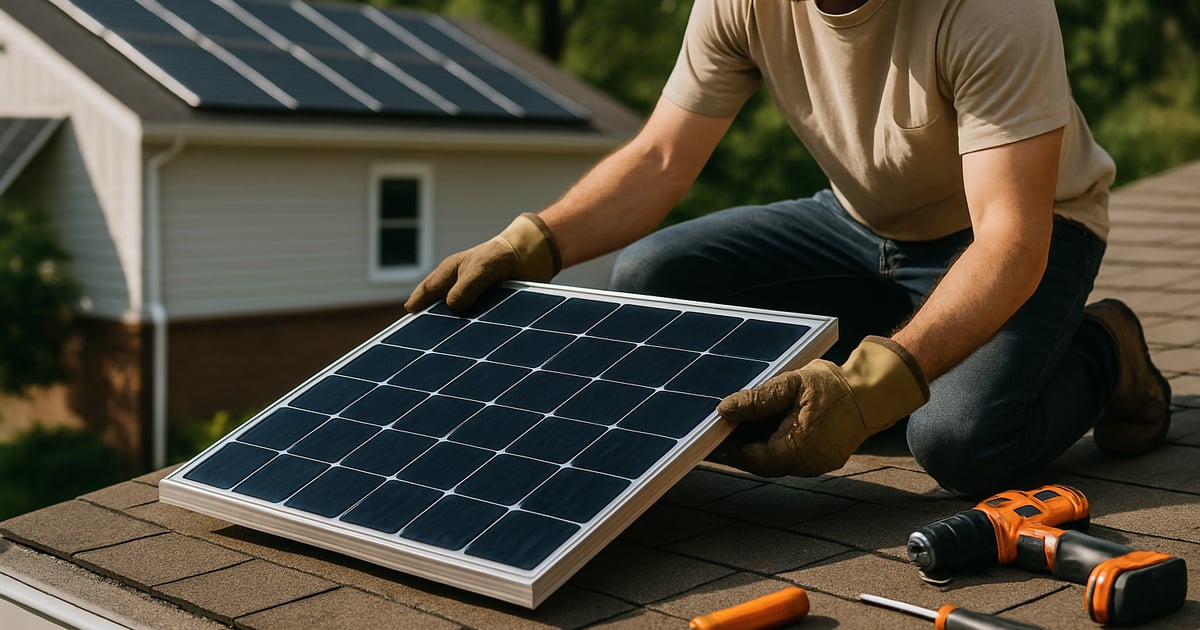
DIY solar kits are real and legally available in many areas — but the savings come with tradeoffs that are easy to underestimate. Here’s an honest look at both sides.
What DIY solar actually involves
DIY solar kits typically include panels, an inverter or microinverters, mounting hardware, and wiring, sold as a package for homeowners to install themselves, often at a lower total cost than a professionally installed system since you’re not paying for installation labor or a company’s overhead and margin.
Where DIY can genuinely make sense
- Off-grid, small-scale systems for cabins, sheds, or RVs, where the stakes and complexity are lower than a full home grid-tied installation
- Homeowners with genuine relevant experience in electrical work or construction, comfortable working safely at height
- Areas with simplified permitting for owner-installed electrical work, where pulling your own permit is a realistic, legal option
The real risks that are easy to underestimate
Permitting and code compliance
Solar installations still require permits and inspections in most areas, regardless of who performs the work. Some jurisdictions don’t allow homeowners to self-permit electrical work at all, requiring a licensed electrician to at least sign off on it — check this before assuming DIY is even a legal option where you live. See our permitting guide for what this process typically involves.
Safety
Roof work and electrical work both carry real injury risk, and solar installation combines both. Professional installers carry safety training and equipment (and insurance) specifically for this combination of hazards that most homeowners don’t have.
Warranty implications
Some panel and inverter manufacturers require professional installation for the product warranty to remain valid — read the specific terms before purchasing DIY equipment. And by definition, there’s no installer-backed workmanship warranty on a self-installed system, since no installer performed the work. See our warranties guide for how this coverage normally works.
Utility interconnection
Getting utility approval to connect your system to the grid for net metering often requires documentation and sign-off that can be more difficult to navigate without professional experience with that specific utility’s process.
System design accuracy
Professional installers use tools and experience to properly assess shading, sizing, and equipment selection — mistakes in a DIY design (undersizing, poor panel placement, incorrect wiring) can meaningfully reduce your system’s real-world performance compared to what a professional design would achieve.
A realistic cost comparison
DIY kits can meaningfully reduce the labor and overhead portion of a solar system’s cost, which is a real and legitimate savings — but weigh that against the value of a professional workmanship warranty, proper permitting support, optimized system design, and safety, especially for a full-scale, grid-tied home system rather than a small standalone setup.
Questions to ask yourself before going DIY
- Does my local jurisdiction allow homeowner self-permitting for this type of electrical work?
- Do I have genuine, relevant experience with both roof work and electrical work?
- Am I comfortable navigating utility interconnection paperwork without professional support?
- Am I okay with no workmanship warranty backing the installation itself?
- Have I confirmed the specific equipment’s warranty terms allow for self-installation?
Bottom line
DIY solar is a real, legal option in some circumstances, particularly for smaller or off-grid setups, but a full home grid-tied system involves enough permitting, safety, and design complexity that most homeowners are better served by a licensed professional installer — the labor savings need to be weighed honestly against the real risks specific to your situation and local requirements.
Frequently Asked Questions
- Can I get the federal tax credit for a DIY solar install?
- Not anymore — the federal residential solar tax credit ended for purchases after December 31, 2025, whether professionally installed or DIY. Some state incentives remain for DIY projects, but many programs (and most utility rebates and SREC registrations) require installation by a licensed contractor, so check your state's specific rules before assuming a DIY system qualifies for anything.
- Is DIY solar actually legal everywhere?
- It depends on your local jurisdiction's permitting and licensing requirements — some areas allow homeowners to pull their own electrical permits for their own home, while others require a licensed electrician or contractor to perform or sign off on the work. Check with your local building department before assuming DIY is an option.
- Does DIY solar void any warranties?
- It can. Some panel or inverter manufacturers require professional installation for their product warranty to remain valid, and a DIY install has no installer-backed workmanship warranty at all, since there's no installer involved. Read manufacturer warranty terms carefully before purchasing equipment for a DIY project.